
Rhinoplasty Miami
Enhance Your Facial Harmony with Rhinoplasty in Miami, FL
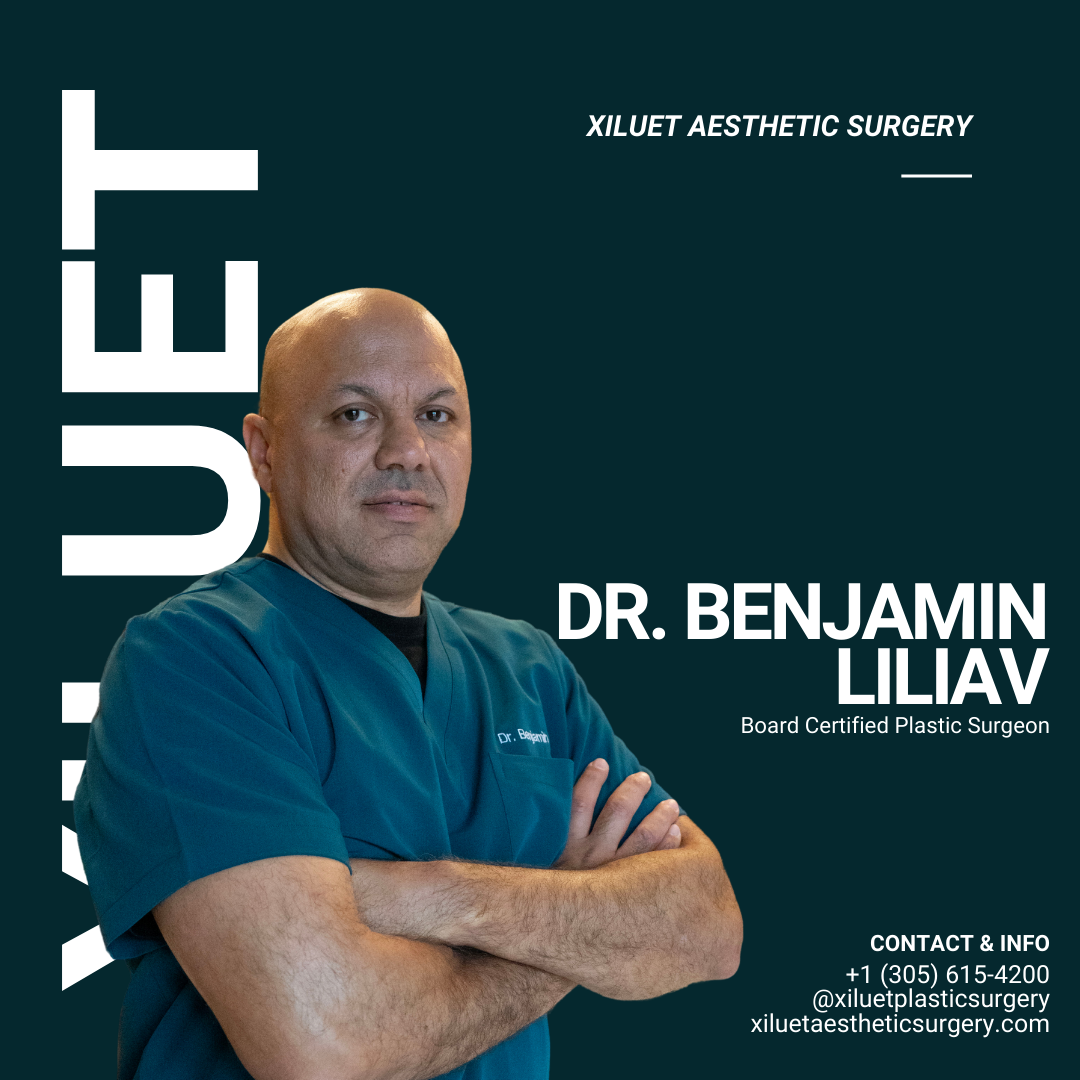

WE HAVE THE BEST RHINOPLASTY SURGEONS IN MIAMI
Xiluet Aesthetic Surgery, your premier destination for Rhinoplasty in Miami, FL. Our Miami plastic surgeon team comprises highly skilled and experienced professionals specializing in a wide range of cosmetic procedures. Whether you desire to enhance the shape and size of your breasts, improve the contour of your buttocks, restore a youthful appearance to your face, or reshape your abdomen, our experts are here to help. Our services include:
- Breast Augmentation: Achieve your ideal breast size and shape with our customized augmentation procedures.
- Brazilian Butt Lift: Enhance your buttocks with our advanced fat transfer techniques for a fuller, more contoured look.
- Breast Lift: Restore the youthful position and firmness of your breasts with our expert lifting techniques.
- Tummy Tuck: Reshape and tighten your abdomen for a flatter, more toned appearance.
- Brow Lift: Elevate and rejuvenate your forehead and eyebrow area with our expert brow lift techniques, creating a more youthful and refreshed appearance.
Our plastic surgeons combine expertise and artistry to deliver beautiful, natural-looking results that enhance both your body and your mind. Trust Xiluet Aesthetic Surgery to help you achieve the look you’ve always dreamed of.
WHAT IS RHINOPLASTY SURGERY?
Rhinoplasty Miami, also known as a nose job, is a cosmetic surgical procedure designed to reshape and refine the nose. This procedure can address a variety of concerns, including the size, shape, and overall appearance of the nose, as well as functional issues such as breathing difficulties. Rhinoplasty can enhance facial harmony and boost self-confidence.
At Xiluet Aesthetic Surgery, our board-certified surgeons specialize in performing rhinoplasty procedures that are customized to the individual’s unique facial features and goals. We strive to achieve natural-looking results that not only enhance your appearance but also improve nasal function when necessary.

Ideal Candidate for Rhinoplasty
Desire Nose Reshaping: Want to change the size, shape, or overall appearance of their nose.
Experience Functional Issues: Have breathing difficulties or structural problems that need correction.
Are in Good Health: Have no serious medical conditions that could impair healing.
Maintain Realistic Expectations: Understand the potential outcomes and limitations of rhinoplasty.

Benefits of Rhinoplasty
Rhinoplasty offers several benefits for individuals seeking to improve their facial appearance or address functional issues:
Enhanced Facial Harmony: By refining the shape and proportions of the nose, rhinoplasty creates a more balanced facial appearance, improving the overall harmony between the nose and other facial features.
Improved Nasal Function: For individuals with breathing difficulties due to structural issues, such as a deviated septum, rhinoplasty combined with septoplasty can restore normal airflow and improve nasal function.
Boosted Confidence: Many patients experience a significant boost in self-confidence after rhinoplasty, as the procedure helps address long-standing concerns about their nose’s shape or size.
Long-Lasting Results: Rhinoplasty provides permanent improvements to the nose’s structure, making it a long-term solution for both cosmetic and functional concerns.
Common Reasons for Rhinoplasty
Rhinoplasty is performed for a variety of reasons, both cosmetic and functional. Understanding the motivations behind the procedure can help tailor the approach to meet individual needs:
Cosmetic Reasons:
Many individuals seek rhinoplasty to improve the appearance of their nose. Common aesthetic concerns include:
- A prominent bump or hump on the nasal bridge.
- A bulbous or drooping nasal tip.
- A nose that is too wide or narrow.
- Asymmetry or deviations from past injury or trauma.
Functional Reasons:
Rhinoplasty can also address breathing problems caused by structural issues within the nose. Patients with a deviated septum, enlarged turbinates, or other internal nasal blockages may undergo rhinoplasty, combined with septoplasty, to correct these problems and improve airflow.
Nasal Anatomy
To understand rhinoplasty better, it’s essential to know the key components of the nose that may be altered during surgery:
Bridge (Dorsum):
The bony and cartilaginous structure that forms the top of the nose. A prominent bump or a depressed bridge is often corrected during rhinoplasty to create a smoother and more proportionate appearance.
Nasal Tip:
The lower part of the nose, composed of cartilage, which can appear bulbous, drooping, or too sharp. Rhinoplasty can refine the nasal tip for a more defined look.
Nostrils and Alar Base:
The nostrils and the base of the nose can be adjusted to reduce the width or flare of the nostrils, providing better balance with the rest of the facial features.
Septum:
The structure that divides the nostrils internally. A deviated septum can cause breathing problems and may require surgical correction during a rhinoplasty.
Rhinoplasty Techniques OPEN VS CLOSED
There are two main techniques used to perform a rhinoplasty Miami. Although both are very popular, they do hold their own individual differences and benefits. Open rhinoplasty and closed rhinoplasty are just two terms used to describe two possible surgical approaches.
CLOSED RHINOPLASTY
A closed rhinoplasty is a very complex procedure. Will demand noteworthy skill from the surgeon. Yet it has been demonstrated how beneficial it can be. Closed nose plastic surgery consists of having all necessary incisions made through the inside of the nostrils. This approach is visibly scar-free. But can make the repositioning of the nasal skin pretty difficult when the nose requires a lot of surgical alteration.
Closed nose plastic surgery is also a less evasive procedure. Since it involves less scaring, therefore, the patient may need less recovery time/healing process. During a closed rhinoplasty, the nose is not taken apart. Therefore it will be easier for the surgeon to know how the nose will look after the surgery. This is somewhat hard to judge in open rhinoplasty procedures.
OPEN RHINOPLASTY
Open rhinoplasty consists of an opening in the bridge of the nose. That allows maximum visibility of the areas of the nose that need to be changed. An incision created at the base of the columella. This is the thin wall of soft tissue separating the nostrils. This allows the surgeon the ability to manipulate and modify the nasal shape. More precision, something rather difficult with closed rhinoplasty. The incision is a zig-zag since it allows the surgeons to create the perfect shape to camouflage the incision. A straight line incision is more visible. Patients requiring more projection or deprojection. That meaning the nose being closer or farther to the face. Generally, achieve the desired results with this type of procedure.
Customizing the Procedure to Individual Goals
Rhinoplasty is a highly individualized procedure, and our surgeons work closely with each patient to create a plan tailored to their unique needs:
Comprehensive Consultation:
During your consultation, the surgeon will conduct a thorough examination of your nasal structure, including the shape of the nose, skin thickness, and internal structures such as the septum. This detailed assessment helps in planning the procedure to ensure optimal results.
Discussion of Goals:
You’ll have the opportunity to discuss your goals for the rhinoplasty, whether they are primarily cosmetic, functional, or a combination of both. The surgeon will guide you through the available options and help you understand the expected outcomes based on your goals.
Personalized Surgical Plan:
Based on the examination and your preferences, the surgeon will develop a personalized surgical plan. This plan includes selecting the appropriate rhinoplasty technique (open or closed), determining the extent of changes to the nose’s structure, and, if necessary, incorporating functional improvements such as septoplasty to address breathing issues.
Septoplasty for Breathing Issues
Many patients seeking rhinoplasty also experience breathing difficulties due to a deviated septum or other structural abnormalities inside the nose. In these cases, the surgeon may perform a septoplasty in conjunction with the rhinoplasty to improve nasal airflow:
Deviated Septum:
A common cause of breathing problems, a deviated septum occurs when the wall that divides the nostrils is crooked or displaced. This can obstruct airflow and lead to difficulty breathing through one or both nostrils. Septoplasty involves straightening the septum to improve breathing while maintaining or enhancing the appearance of the nose.
Functional Improvement:
In addition to cosmetic changes, combining rhinoplasty with septoplasty can significantly enhance nasal function. Patients often report better breathing and relief from sinus issues after the procedure.
CONSULTATION WITH THE DOCTOR BEFORE A RHINOPLASTY
If you’re considering a rhinoplasty in Miami, it’s important to schedule a free consultation with a certified plastic surgeon. During the consultation, the surgeon will evaluate the current structure of your nose and discuss your aesthetic goals. They will also provide detailed information about the procedure, potential risks, and complications. You’ll have the opportunity to ask questions about anesthesia, the duration of the Rhinoplasty surgery, and the recovery time.
Additionally, the surgeon will discuss realistic expectations for the results of the rhinoplasty and how your nose will look and feel after the Rhinoplasty surgery. It’s important to discuss your medical history, including any medications you’re taking and any medical conditions you have. The surgeon may also recommend additional treatments, such as Facial Balancing or dermal fillers, to enhance the overall balance of your facial features.
By choosing an experienced and certified plastic surgeon, you can have the confidence that you’ll receive the necessary attention and care to achieve the results you desire with your rhinoplasty in Miami.
Initial Consultation
The first step in preparing for Rhinoplasty at Xiluet Aesthetic Surgery is the initial consultation. During this meeting, our experienced surgeons will evaluate your medical history, discuss your aesthetic goals, and determine if you are a suitable candidate for the procedure. This is a crucial step to ensure that Rhinoplasty is the right option for you and to establish a personalized treatment plan tailored to your needs.
- Medical History Review: The surgeon will review your health history, including any current medications, allergies, and previous surgeries. This helps identify any potential risks or contraindications for the procedure.
- Physical Examination: A thorough physical examination is conducted to assess skin quality, fat distribution, and overall body composition. This examination helps in planning the areas to be treated and selecting the most appropriate Rhinoplasty technique.
Medical Evaluation
Before undergoing Rhinoplasty Miami, patients may need to undergo specific medical tests to ensure they are in optimal health for surgery. These evaluations help to minimize risks and ensure a safe procedure.
- Laboratory Tests: Blood tests are typically required to assess overall health, including blood count, kidney function, and clotting ability.
- Cardiovascular Assessment: For patients with a history of heart conditions or those over a certain age, an EKG (electrocardiogram) may be recommended to evaluate heart health.
- Anesthesia Clearance: If general anesthesia is being used, an anesthesiologist will review your medical history and test results to determine the safest anesthesia plan.
Pre-Operative Instructions
Proper preparation is key to a smooth surgical experience and recovery. Our team will provide detailed pre-operative instructions to help you prepare for your Rhinoplasty procedure.
- Medications and Supplements: Patients should avoid certain medications and supplements that can increase the risk of bleeding, such as aspirin, ibuprofen, vitamin E, and certain herbal supplements. A full list of substances to avoid will be provided.
- Lifestyle Adjustments: Smoking can impair healing and increase the risk of complications. Patients are advised to stop smoking at least four weeks before and after the procedure. Alcohol consumption should also be minimized to reduce the risk of dehydration and bleeding.
- Pre-Surgery Diet: Patients are encouraged to maintain a healthy diet leading up to the surgery. Staying well-hydrated is also important to aid in recovery.
Day of Surgery Preparation
On the day of your rhinoplasty surgery, several steps will be taken to ensure your safety and comfort:
Arrival and Preparation: Arrive at the surgical center at the time specified by your surgeon. You will be greeted by the surgical team, and your vital signs will be monitored to ensure you are ready for surgery. The team will guide you through the pre-operative process, including changing into a surgical gown.
Marking the Surgical Sites: The surgeon will mark the incision sites and areas of the nose to be reshaped. This careful marking ensures symmetry and precision during the surgery.
Anesthesia: Anesthesia will be administered based on the surgical plan discussed during your consultation. General anesthesia or local anesthesia with sedation may be used, and an anesthesiologist will be present to monitor your vital signs throughout the procedure.
Post-Surgery Transportation: Since rhinoplasty involves anesthesia, you will need someone to drive you home after the procedure. Arrange for a trusted friend or family member to accompany you and assist with your care during the first 24-48 hours of recovery.
The Importance of a Caregiver
Having a caregiver is crucial for the first night after surgery. This person should be someone you trust and who is comfortable helping with mobility, meal preparation, and other basic needs. They will also help monitor your recovery, ensuring that you are comfortable and that there are no immediate complications.
By following these preparation steps, patients can help ensure a smoother procedure and a more comfortable recovery. Our team at Xiluet Aesthetic Surgery is here to guide you through each stage, providing support and information to make your experience as stress-free as possible.
Rhinoplasty Anesthesia Options
Rhinoplasty is typically performed under anesthesia to ensure patient comfort and safety throughout the procedure. The type of anesthesia used depends on the complexity of the surgery and the patient’s preference:
General Anesthesia:
For more extensive rhinoplasty procedures, general anesthesia is often recommended. This method ensures that the patient is completely unconscious during the surgery and is ideal for open rhinoplasties or combined procedures like septoplasty.
Local Anesthesia with Sedation:
For less invasive rhinoplasty procedures, local anesthesia combined with intravenous (IV) sedation may be an option. This approach numbs the surgical area while keeping the patient in a relaxed, semi-conscious state. It is often used for minor adjustments in a closed rhinoplasty.
Reshaping the Nasal Structure
Once the anesthesia has been administered, the surgeon will begin reshaping the nose based on the specific goals outlined in the surgical plan:
Nasal Bridge Reshaping:
If the nasal bridge has a visible hump or bump, the surgeon will carefully shave down the bone and cartilage to create a smoother, more even profile. In cases where the bridge needs to be built up (such as in patients with a low or flat bridge), cartilage grafts may be used to add structure.
Tip Refinement:
The nasal tip is often a key area of concern for rhinoplasty patients. The surgeon can refine the tip by reshaping the cartilage to make it more defined, less bulbous, or slightly lifted, depending on the desired look. Care is taken to ensure that the tip remains in balance with the overall structure of the nose.
Adjusting Nasal Width:
If the nose appears too wide, particularly at the base or nostrils, the surgeon may perform alar base reduction. This involves carefully narrowing the nostrils by removing small wedges of tissue, creating a more proportional look.
Septoplasty for Breathing Issues
For patients undergoing rhinoplasty to address breathing difficulties, a septoplasty may be performed in conjunction with the cosmetic changes:
Straightening the Septum:
If a deviated septum is causing breathing issues, the surgeon will straighten the septum by removing or reshaping the cartilage and bone that obstructs airflow. This allows for better breathing through the nostrils while preserving the structural integrity of the nose.
Internal Nasal Adjustments:
In addition to septoplasty, the surgeon may also adjust the internal nasal structures, such as the turbinates, to further improve breathing. These changes help restore normal nasal function and can provide long-term relief from breathing difficulties.
Closing Incisions and Final Adjustments
Once the necessary changes have been made to the nasal structure, the surgeon will close the incisions and finalize the reshaping:
Closing Incisions:
In open rhinoplasty, the external incision along the columella will be carefully closed with sutures. In a closed rhinoplasty, the internal incisions inside the nostrils are sutured, leaving no visible scars.
Final Adjustments:
The surgeon will make any final adjustments to ensure symmetry and balance in the nose’s appearance. Afterward, a nasal splint may be placed to help support the new shape of the nose during the initial healing period.
Post-Surgery Monitoring
Following the procedure, you will be moved to a recovery area where your vital signs will be monitored as the anesthesia wears off. Most rhinoplasty patients can go home the same day after a brief observation period, but you will need someone to drive you home and assist you during the first 24 hours.
At Xiluet Aesthetic Surgery, our surgeons take great care in each step of the rhinoplasty procedure to ensure that the final results are both functional and aesthetically pleasing, aligning with the patient’s goals.
DEVIATED SEPTUM Surgery
Very similarly to the traditional rhinoplasty. Deviated septum surgery consists of the surgical alteration of the nasal skeleton. In order to improve the function of the nose. The septum is the wall between the nostrils. Which also supports the nose and has a great effect on the airflow in and out of the nose. A deviated septum can cause breathing problems. Can cause unnatural facial appearances. A deviated septum is indeed a medical condition. Can be sometimes be covered by your medical insurance provider.
RHINOPLASTY RECOVERY
Immediate Recovery and Post-Op Care
The recovery process following rhinoplasty is critical to achieving optimal results and ensuring a smooth healing process. Here’s what to expect in the first few days after surgery:
Initial Recovery Phase: After your rhinoplasty, you will be monitored in a recovery area until the effects of anesthesia wear off. Swelling, bruising, and mild discomfort are common in the first few days, especially around the eyes and nose. Pain medication prescribed by your surgeon will help manage any discomfort.
Nasal Splint and Packing: A splint will typically be placed on the outside of the nose to support its new shape as it heals. Internal packing or soft splints may be used to stabilize the septum and control swelling. The external splint is usually removed after one week, while internal packing may be removed sooner.
Breathing Difficulties: It’s normal to experience congestion and difficulty breathing through the nose in the first week due to swelling. As the swelling subsides, breathing should gradually improve, especially if a septoplasty was performed to correct a deviated septum.
Activity Restrictions: For the first week, rest is essential. You should avoid any strenuous activities, bending over, or heavy lifting, as these can increase blood pressure and swelling. Keeping your head elevated, even while sleeping, can help reduce swelling and promote faster healing.

Long-Term Recovery and Follow-Up Visits
While the initial recovery takes place over the first couple of weeks, full recovery from rhinoplasty can take several months. Here’s what to expect in the longer term:
Swelling and Bruising:
Most of the visible bruising and swelling will subside within 2-3 weeks, but subtle swelling can persist for several months. The final shape of your nose will gradually become apparent as the swelling continues to diminish.
Returning to Normal Activities:
Most patients can return to work and light activities within 7-10 days, although it’s important to avoid strenuous exercise or any activity that risks bumping or injuring the nose for at least 4-6 weeks. Your surgeon will provide specific guidelines for when it’s safe to resume different activities.
Follow-Up Appointments:
Attending follow-up appointments is essential to ensure proper healing. During these visits, your surgeon will monitor your progress, remove any remaining sutures or packing, and provide additional instructions for post-operative care.
Managing Swelling, Bruising, and Results
Swelling and bruising are natural parts of the healing process, and proper care can help minimize these effects:
Cold Compresses:
Applying cold compresses or ice packs around the eyes (but not directly on the nose) during the first 48 hours after surgery can help reduce swelling and bruising. Be sure to follow your surgeon’s instructions for using compresses safely.
Avoiding Sun Exposure:
It’s important to protect your nose from sun exposure during the healing process, as UV rays can cause permanent discoloration of the skin. Use a broad-spectrum sunscreen and wear a hat when outdoors.
Final Results:
While the majority of the swelling will subside within the first month, it can take up to a year for the nose to fully heal and for the final results to become fully apparent. Patience is key, as the nasal tissues need time to settle into their new shape.
Tips for a Smooth Recovery
Following these tips can help ensure a smooth and successful recovery:
Follow Your Surgeon’s Instructions:
Adhere to all post-operative care instructions provided by your surgeon, including how to care for incisions, when to take medications, and when to attend follow-up appointments.
Avoid Smoking and Alcohol:
Smoking can impair healing and increase the risk of complications, so it’s essential to avoid smoking before and after surgery. Alcohol can also cause dehydration and affect the healing process, so it should be avoided for the first few weeks.
Stay Hydrated and Eat a Nutritious Diet:
Proper hydration and a healthy diet can promote faster healing and help reduce swelling.
RHINOPLASTY SURGERY RISKS
A Rhinoplasty Miami can be a life-changing procedure. Can change an individual’s appearance and self-confidence but also entails certain risks. Carefully considered before deciding to undergo the procedure. Like any cosmetic or plastic surgery, a rhinoplasty can involve the risk of.
Infection:
Following post-operative care instructions, such as keeping the incision sites clean, can minimize the risk of infection.
Bleeding:
Some bleeding is normal in the first few days after surgery, but excessive bleeding may require medical attention.
Changes in Sensation:
Temporary numbness around the nose is common after rhinoplasty, especially in the tip, but this usually resolves within a few weeks to months.
Breathing Difficulties:
In rare cases, nasal passages may become obstructed post-surgery. If this occurs, follow-up surgery may be required to correct the issue.
Asymmetry or Unsatisfactory Results:
While surgeons take great care to achieve symmetry, slight differences in nasal shape can occur. In some cases, a revision rhinoplasty may be needed to achieve the desired result.


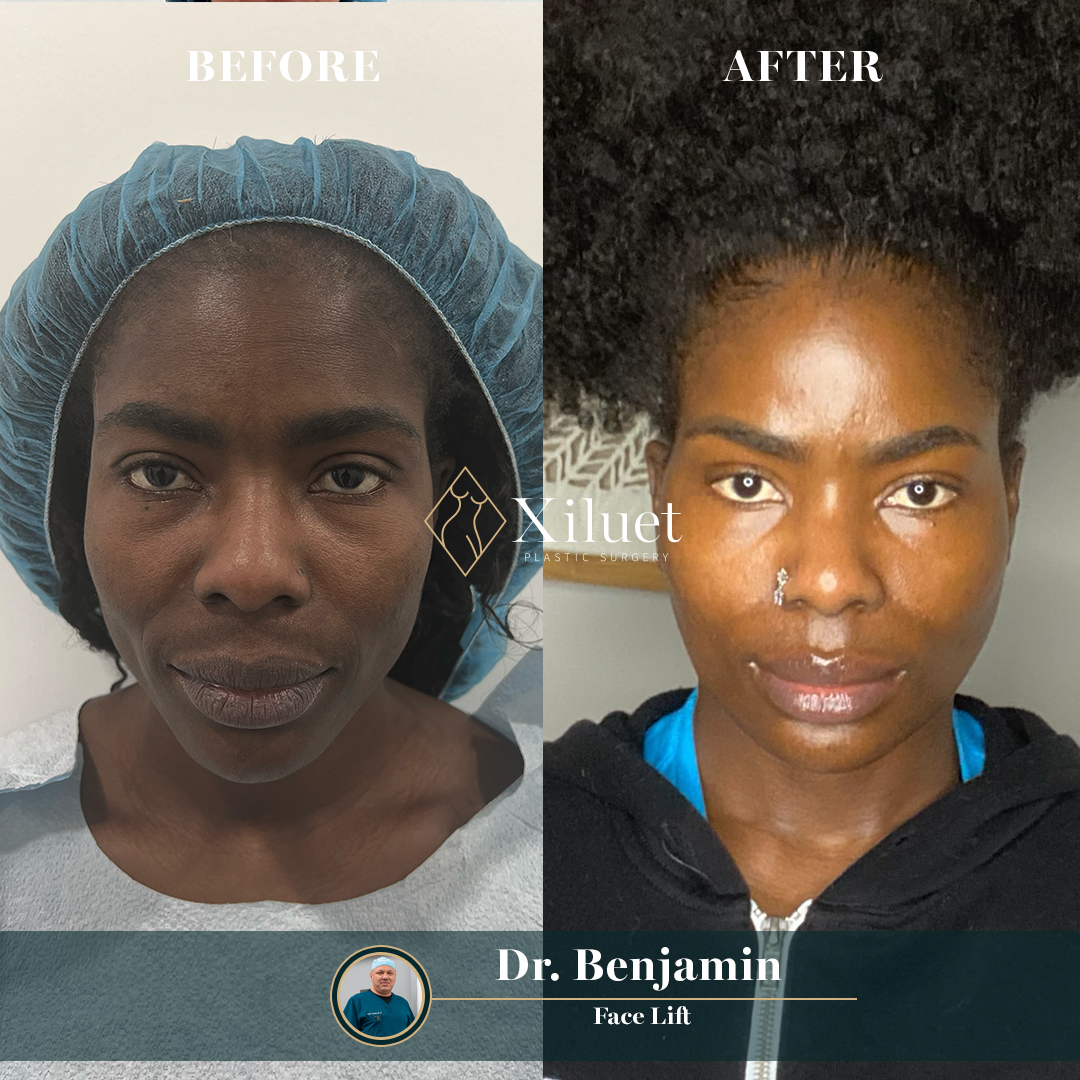



HOW MUCH DOES A RHINOPLASTY COST IN MIAMI?
Because Rhinoplasty procedure is performed worldwide. Prices of such procedures can vary greatly depending on the geographical location. Standards and regulations of the state or country. Although these prices are very different, they all consist of surgeon fees and expenses along with anesthesia fees. Medical examination fees, prescriptions of any analgesics and many others. When dealing with a procedure that is so life-changing. Accepting a price for a nose job is just as important and difficult. Choosing a plastic surgeon to perform the procedure. The national average cost for a rhinoplasty procedure varies anywhere from $4,500 to $8,000.
Complementary and Alternative Procedures
Non-Surgical Rhinoplasty (Liquid Rhinoplasty)
For patients seeking minor adjustments to their nose without undergoing surgery, non-surgical rhinoplasty (also known as liquid rhinoplasty) can be an effective alternative. This procedure uses injectable dermal fillers to temporarily reshape the nose:
How It Works:
A liquid rhinoplasty involves injecting hyaluronic acid-based fillers, such as Juvederm or Restylane, to smooth out bumps, lift a drooping tip, or correct minor asymmetries. While the results are not permanent, the procedure offers a quick and minimally invasive way to enhance the nose’s appearance without downtime.
DURATION OD RESULTS:
Results typically last between 6 to 12 months, depending on the type of filler used and the patient's metabolism. Liquid rhinoplasty is best suited for individuals seeking subtle changes and those who are not ready for surgery.
Limitations:
It is important to note that non-surgical rhinoplasty cannot reduce the size of the nose, fix breathing issues, or correct significant structural problems. Patients seeking functional improvements or major aesthetic changes may need surgical rhinoplasty.
Septoplasty for Functional Improvement
In some cases, the primary goal of a rhinoplasty is to correct breathing problems caused by a deviated septum or other internal nasal obstructions. For patients who do not require cosmetic changes, a septoplasty may be performed as a standalone procedure:
Deviated Septum Correction:
Septoplasty involves straightening the septum (the wall between the nostrils) to improve airflow. This procedure is ideal for individuals who experience chronic nasal congestion, difficulty breathing, or frequent sinus infections due to a deviated septum.
Breathing Improvement:
Many patients report significant improvement in their breathing after septoplasty. This procedure can be combined with rhinoplasty for patients seeking both cosmetic and functional changes to their nose.
Chin Augmentation for Facial Harmony
Rhinoplasty is often combined with other facial procedures to achieve better facial balance and harmony. Chin augmentation, in particular, is a popular complementary procedure for those seeking to enhance their overall facial profile:
Chin and Nose Proportion:
A weak or recessed chin can make the nose appear larger than it actually is. By adding a chin implant or using dermal fillers to enhance the chin’s projection, facial harmony can be restored, providing a more balanced and proportional look.
Combined Procedure:
Performing chin augmentation alongside rhinoplasty can help enhance both procedures’ outcomes. This combination creates a more cohesive facial profile and improves the overall aesthetic of the face.

FAQ:
What is the recovery time for rhinoplasty?
The initial recovery period typically takes 1 to 2 weeks. During this time, swelling, bruising, and discomfort will gradually subside, and most patients can return to work or school within 10 to 14 days. However, it’s important to avoid strenuous activities, heavy lifting, and contact sports for at least 4 to 6 weeks to allow the nose to heal properly. While the majority of swelling will disappear within a few weeks, it can take up to a year for the final shape of the nose to fully settle as residual swelling slowly fades.
Are the results of rhinoplasty permanent?
Yes, the results of rhinoplasty are long-lasting. However, it may take up to a year for the final shape of the nose to fully refine.
Is rhinoplasty safe?
Yes, when performed by experienced and qualified surgeons, rhinoplasty is a safe procedure. Our team ensures the highest standards of safety and care.
Will there be visible scars after rhinoplasty?
In most cases, scarring from rhinoplasty is minimal and well-hidden. With closed rhinoplasty, all incisions are made inside the nostrils, leaving no visible scars. For open rhinoplasty, a small incision is made along the columella (the tissue between the nostrils), but this scar typically fades over time and becomes barely noticeable. Your surgeon will discuss the best approach for your specific case to minimize visible scarring.
How Long Do Rhinoplasty Results Last?
Rhinoplasty offers permanent results. Once the nose has healed, the changes made to its shape and structure are generally long-lasting. However, natural aging will continue to affect your face over time, and factors such as sun exposure, skin elasticity, or trauma can influence the nose’s appearance. If the surgery also addressed breathing issues, the functional improvements will last as long as the structural changes remain intact.
Can Rhinoplasty Fix Breathing Problems?
Yes, rhinoplasty can address both cosmetic concerns and functional issues such as breathing difficulties. When rhinoplasty is combined with septoplasty, the surgeon can correct a deviated septum, which is a common cause of nasal obstruction and difficulty breathing. By straightening the septum or adjusting internal nasal structures, rhinoplasty can improve airflow, leading to better breathing and relief from sinus problems.
What’s the Difference Between Rhinoplasty and Septoplasty?
Rhinoplasty is a cosmetic surgery aimed at changing the shape and appearance of the nose, whereas septoplasty is a functional procedure that focuses on correcting a deviated septum to improve breathing. Many patients opt to combine these two procedures in a single surgery to address both cosmetic concerns and functional breathing issues. Your surgeon will discuss whether one or both procedures are right for you during your consultation.
Why Choose Xiluet Aesthetic Surgery?
Xiluet Aesthetic Surgery stands out as a premier choice for Rhinoplasty due to our commitment to excellence, patient safety, and personalized care. Here’s why patients trust us with their body contouring journey:

Expertise and Experience:
Our team of board-certified surgeons has extensive experience in performing Rhinoplasty using the latest techniques and technology. Their expertise ensures that patients receive the highest standard of care and achieve natural-looking, harmonious results.
State-of-the-Art Facility:
Our facility is equipped with advanced medical technology and meets the highest standards of safety and hygiene. We utilize cutting-edge Rhinoplasty techniques to provide our patients with the best possible outcomes.
Personalized Treatment Plans:
Every patient is unique, and so are their aesthetic goals. We take the time to understand your specific needs and develop a customized treatment plan tailored to your body type and desired results. Our approach ensures that you receive individualized care and a procedure that aligns with your expectations.
Comprehensive Care:
From the initial consultation to post-operative follow-ups, our team is dedicated to providing a seamless and supportive experience. We are here to answer your questions, guide you through the recovery process, and ensure that you feel confident and informed every step of the way.
Schedule Your Consultation
If you are considering Rhinoplasty and would like to learn more about how Xiluet Aesthetic Surgery can help you achieve your body contouring goals, we invite you to schedule a consultation with our expert surgeons. During this personalized session, we will discuss your concerns, evaluate your candidacy, and provide you with a tailored treatment plan to help you look and feel your best.
Inspired by our work?
Please fill out the form, so we can learn more about you and your needs.