What is Eyelid Surgery?
Introduction
Eyelid surgery, medically known as blepharoplasty, is a popular cosmetic procedure designed to enhance the appearance of the upper and/or lower eyelids. As we age, the skin around the eyes can begin to sag, droop, or develop bags, leading to a tired, aged, or even sad appearance. Eyelid surgery can address these issues by removing excess skin, tightening muscles, and repositioning or removing fat, resulting in a more youthful and refreshed look. This blog will explore what eyelid surgery entails, who it’s best suited for, and what patients can expect before, during, and after the procedure.
Overview of the Procedure
How Eyelid Surgery Works
Eyelid surgery involves making precise incisions to remove or reposition skin, muscle, and fat around the eyes. The procedure can be performed on the upper eyelids, lower eyelids, or both, depending on the patient’s needs. The goal is to correct issues such as drooping upper eyelids, puffiness, and under-eye bags, leading to a more youthful and alert appearance. The incisions are typically made in the natural creases of the eyelids, minimizing visible scarring.
Types of Eyelid Surgery
There are different types of eyelid surgeries, each tailored to address specific concerns:
Upper Blepharoplasty: Focuses on the upper eyelids, removing excess skin and fat that may cause drooping or interfere with vision.
Lower Blepharoplasty: Targets the lower eyelids, addressing under-eye bags, puffiness, and sagging skin by removing or repositioning fat and tightening the skin.
Double Eyelid Surgery: Commonly performed in East Asian patients, this procedure creates a crease in the upper eyelid to enhance the appearance of the eyes.
Transconjunctival Blepharoplasty: A technique used for lower eyelid surgery where incisions are made inside the eyelid, leaving no visible external scars.
Common Target Areas
Eyelid surgery primarily targets the upper and lower eyelids, addressing issues such as:
- Drooping Upper Eyelids: Excess skin and muscle laxity that can cause the upper eyelids to sag.
- Under-Eye Bags: Puffiness and bags caused by protruding fat and loose skin under the eyes.
- Hooded Eyes: Heavy upper eyelids that create a hooded appearance.
- Fine Lines and Wrinkles: While not the primary focus, some fine lines around the eyes may be improved through the procedure.
 Who is a Good Candidate?
Ideal Candidates
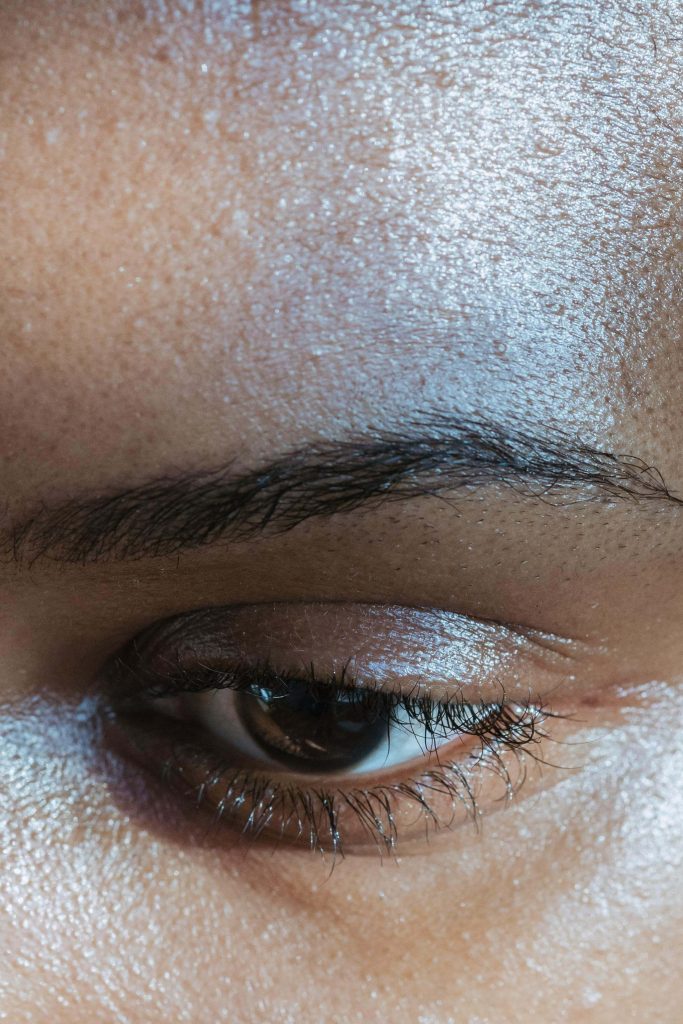
The ideal candidate for eyelid surgery is someone who is in good overall health and is experiencing visible signs of aging around the eyes. Good candidates typically have:
- Excess skin on the upper eyelids that impairs vision or creates a tired appearance.
- Puffiness or bags under the eyes that make them look older or constantly fatigued.
- Healthy facial tissues and muscles with realistic expectations about the surgery’s outcomes.
Candidates should be non-smokers or willing to quit before and after the surgery, as smoking can impair healing and increase the risk of complications.
Who Should Avoid It?
Eyelid surgery may not be suitable for individuals with certain health conditions, such as dry eye syndrome, glaucoma, bleeding disorders, or thyroid problems, as these can increase surgical risks. Additionally, those with unrealistic expectations or who are seeking drastic changes may not be ideal candidates, as the goal of eyelid surgery is to enhance and refresh the eyes’ appearance rather than create an entirely new look.
The Eyelid Surgery Process
Consultation
The first step in the eyelid surgery journey is a detailed consultation with a board-certified plastic surgeon. During this meeting, the surgeon will evaluate the patient’s eye structure, skin quality, and the degree of eyelid sagging or puffiness. The patient’s aesthetic goals and concerns will also be discussed to determine the most appropriate surgical approach. The surgeon will create a customized surgical plan and provide information on what to expect before, during, and after the procedure.
Preparation
Preparation for eyelid surgery includes several important steps to ensure a safe and successful outcome. The surgeon will provide specific pre-operative instructions, which may include:
- Avoiding certain medications and supplements that can increase bleeding.
- Quitting smoking to improve healing and reduce the risk of complications.
- Arranging for help during recovery, as patients will need assistance with daily activities for the first few days after surgery.
- Fasting before surgery, if required, based on the type of anesthesia that will be used.
Procedure Details
On the day of the procedure, patients are typically administered local anesthesia with sedation or general anesthesia, depending on the extent of the surgery. The surgeon begins by making precise incisions in the natural creases of the upper eyelids or just below the lower lash line. For lower blepharoplasty, if a transconjunctival approach is used, the incision is made inside the lower eyelid, leaving no visible external scars.
Upper Blepharoplasty: Excess skin and muscle are removed, and the remaining tissues are tightened. If necessary, fat may be repositioned or removed to create a smoother, more youthful contour.
Lower Blepharoplasty: Fat pockets that cause under-eye bags are either removed or repositioned, and the skin is tightened. If needed, excess skin is also removed.
After the adjustments are made, the incisions are carefully closed with sutures. The entire procedure typically takes between 1 to 3 hours, depending on whether both upper and lower eyelids are being treated.
Recovery Process
The recovery process for eyelid surgery varies depending on the individual patient’s healing response and the extent of the surgery. Most patients can expect swelling, bruising, and some discomfort in the first few days post-surgery. The surgeon will provide detailed post-operative care instructions, including how to manage swelling, when to remove sutures, and when to attend follow-up appointments. Most patients can return to light activities within 1 to 2 weeks, but full recovery, including the final results, can take several months as the tissues settle and scars fade.
 Risks and Considerations
Potential Risks
As with any surgical procedure, eyelid surgery carries certain risks. These risks are generally low when the procedure is performed by a qualified and experienced surgeon, but they can include:
- Infection: Proper wound care is essential to prevent infection.
- Bleeding: There is a risk of excessive bleeding during or after surgery.
- Scarring: While incisions are typically well-hidden, scarring is possible, especially in patients with a history of keloid formation.
- Dry Eyes: Some patients may experience dry eyes after surgery, particularly if too much skin is removed.
- Vision Problems: Temporary blurred or double vision can occur during the healing process, though permanent vision changes are rare.
Scarring
Scarring from eyelid surgery is usually minimal, as the incisions are made in the natural creases of the eyelids or inside the lower eyelid (transconjunctival approach). These scars typically fade over time and become nearly invisible. Following post-operative care instructions and using scar-reduction treatments, such as silicone sheets or laser therapy, can help minimize the appearance of any scars.
Realistic Expectations
Having realistic expectations is crucial for satisfaction with the results of eyelid surgery. While the procedure can significantly rejuvenate the eyes, reducing the visible signs of aging and creating a more youthful appearance, it cannot completely alter one’s appearance or stop the aging process. Understanding that the goal of eyelid surgery is to enhance and refresh the natural features of the eyes, rather than achieve perfection, is key to being pleased with the outcome.
Benefits of Eyelid Surgery
Physical Benefits
Eyelid surgery offers significant physical benefits, including:
- Restored Vision: In cases where sagging upper eyelids obstruct vision, eyelid surgery can improve sight by removing excess skin and lifting the eyelids.
- Youthful Appearance: The procedure smooths out under-eye bags, reduces puffiness, and tightens sagging skin, resulting in a more youthful and alert appearance.
- Improved Facial Harmony: Eyelid surgery can enhance the overall balance and harmony of the face, complementing other features and contributing to a more refreshed look.
Psychological Benefits
In addition to the physical improvements, eyelid surgery can have profound psychological benefits. Many patients report a significant boost in self-confidence and self-esteem after the procedure. Feeling more youthful and refreshed can positively impact one’s overall sense of well-being and quality of life.
 Frequently Asked Questions (FAQs)
How long do the results of eyelid surgery last?
The results of eyelid surgery are typically long-lasting, with many patients enjoying the benefits for 10 to 15 years or longer. However, the natural aging process will continue, and some patients may choose to undergo additional treatments or touch-ups in the future.
Is eyelid surgery painful?
The procedure itself is performed under anesthesia, so there is no pain during surgery. However, patients can expect discomfort and soreness during recovery, particularly in the first few days post-surgery. Pain can be managed with prescribed medications, and most patients find that discomfort subsides significantly after the first week.
How long is the recovery period?
Initial recovery from eyelid surgery typically takes about 1 to 2 weeks, during which time patients should rest and avoid strenuous activities. Swelling and bruising may persist for several weeks, and full recovery, including the fading of scars, can take several months.
Will I have visible scars?
Scarring from eyelid surgery is usually minimal, as the incisions are made in the natural creases of the eyelids or inside the lower eyelid (transconjunctival approach). These scars typically fade over time and become nearly invisible. Proper post-operative care and scar-reduction treatments can further minimize the appearance of scars.
Can eyelid surgery be combined with other procedures?
Yes, eyelid surgery is often combined with other facial procedures, such as a facelift, brow lift, or dermal fillers, to achieve more comprehensive facial rejuvenation. Combining procedures can enhance overall facial balance and address multiple areas of concern in one surgery.
Complementary Procedures for Enhanced Results
Combination with Brow Lift
A brow lift is often combined with eyelid surgery to achieve a more comprehensive rejuvenation of the upper face. While eyelid surgery addresses sagging and puffiness around the eyes, a brow lift lifts the forehead and eyebrows, reducing wrinkles and lines in that area. This combination creates a more youthful and harmonious appearance, enhancing the overall results.
Facelift
For those looking to address signs of aging in multiple areas of the face, combining eyelid surgery with a facelift can provide dramatic results. A facelift targets the mid and lower face, addressing sagging skin, jowls, and deep wrinkles. When paired with eyelid surgery, the combination offers a full-face rejuvenation, creating a more refreshed and youthful appearance from the eyes to the jawline.
Dermal Fillers and Botox
For individuals seeking to enhance the results of their eyelid surgery without additional surgery, combining the procedure with dermal fillers and Botox can be highly effective. Fillers can add volume to areas such as the cheeks and lips, while Botox smooths out fine lines and wrinkles around the eyes and forehead. This combination can help you achieve a more refined and polished appearance with minimal downtime.
Conclusion
Eyelid surgery is an effective procedure for those looking to rejuvenate the eyes, reducing the visible signs of aging and restoring a more youthful appearance. Whether it’s to correct drooping eyelids, smooth out under-eye bags, or enhance overall facial harmony, eyelid surgery offers both physical and psychological benefits. However, it’s important to have realistic expectations and understand the potential risks. If you’re considering eyelid surgery, consulting with a qualified plastic surgeon is the first step to achieving your desired results.
Ready to rejuvenate your appearance with eyelid surgery in Miami? Contact Xiluet Aesthetic Surgery or call 305-615-4200 to schedule your personalized consultation today. Our expert team is here to guide you every step of the way on your journey to a more confident you.