
Varicose Veins Miami
Eliminate Varicose Veins with Expert Treatment in Miami, FL

WE HAVE THE BEST VARICOSE VEINS DOCTORS IN MIAMI
Xiluet Aesthetic Surgery, your premier destination for Varicose Veins Treatment in Miami, FL. Our Miami plastic surgeon team comprises highly skilled and experienced professionals specializing in a wide range of cosmetic procedures. Whether you desire to enhance the shape and size of your breasts, improve the contour of your buttocks, restore a youthful appearance to your face, or reshape your abdomen, our experts are here to help. Our services include:
- Facial Balancing: Enhance your natural beauty with our tailored facial balancing procedures for a harmonious and proportionate appearance.
- Breast Reduction: Achieve a more comfortable and proportionate breast size with our expert reduction techniques, enhancing your overall body balance and relieving discomfort.
- Lip Fillers: Enhance your lips with our advanced lip filler techniques, adding volume and definition for a naturally fuller look.
- Rhinoplasty: Refine the shape of your nose to enhance facial harmony and boost your confidence.
Our plastic surgeons combine expertise and artistry to deliver beautiful, natural-looking results that enhance both your body and your mind. Trust Xiluet Aesthetic Surgery to help you achieve the look you’ve always dreamed of.
What are Varicose Veins?
Varicose veins are enlarged, twisted veins that often appear blue or dark purple. They are commonly found on the legs and can cause discomfort, pain, and aesthetic concerns. Varicose veins develop when valves in the veins malfunction, causing blood to pool and veins to enlarge.
At Xiluet Aesthetic Surgery, we specialize in the treatment of varicose veins using advanced, minimally invasive techniques that provide effective relief and improve both the appearance and health of your legs. Whether you’re seeking to eliminate the visible signs of varicose veins or alleviate symptoms such as pain or heaviness, our team of experienced professionals is here to help you achieve the best possible results.
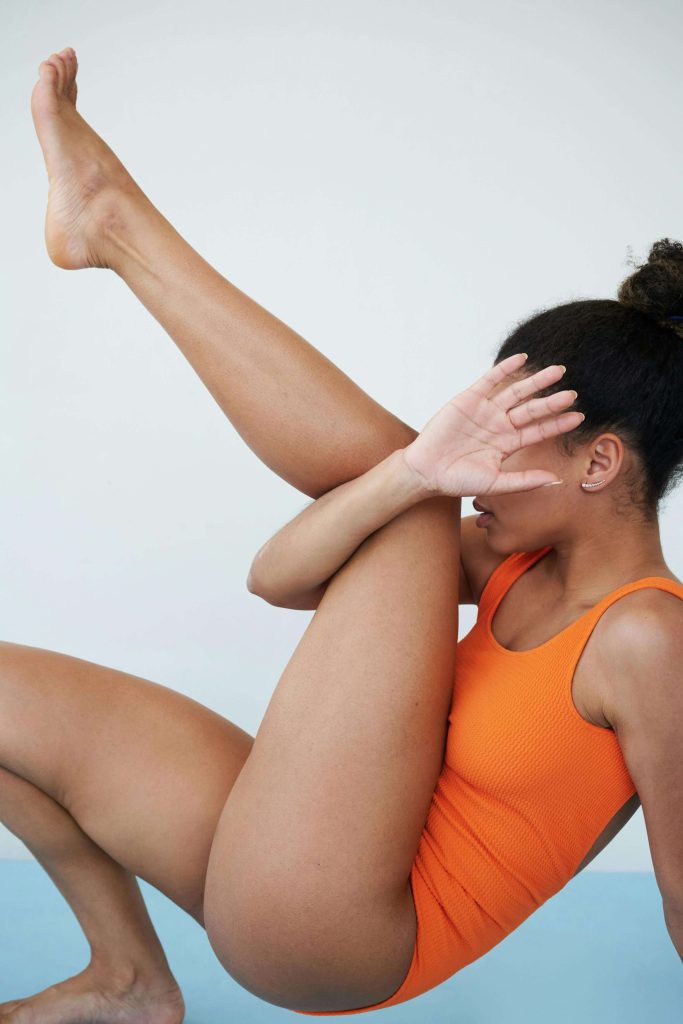
Ideal Candidates Varicose Veins
Some expecting moms might also be prone to develop varicose veins. Although pregnancy can improve blood circulation, it can also cause blood to move from the legs to the pelvis. This cardiovascular change is designed to care for the developing fetus, but it can also generate unwanted side effects such as enlarged veins in the legs. Varicose veins Miami might surface for the first time or they can degenerate during late pregnancy, when the uterus applies pressure on the veins in the legs.
Obesity is also another factor that can increase the chances of developing varicose veins or spider veins. Being overweight puts extra pressure on the veins can lead to the forming of varicose or spider vein. Lack of movement when standing or sitting for long periods of time can also be another contributing factor which makes the vein valves work harder to pump the blood against gravity towards the heart.

Benefits of Varicose Veins Treatment
Treating varicose veins offers multiple benefits, both cosmetically and medically:
Improved Appearance: Varicose vein treatments can effectively eliminate or reduce the appearance of visible veins, restoring a smoother and more even look to the skin.
Symptom Relief: Treatments can alleviate symptoms such as pain, swelling, and heaviness, improving overall comfort and mobility.
Reduced Risk of Complications: Addressing varicose veins early can help prevent more serious complications, such as venous ulcers or blood clots.
Boosted Confidence: Many patients feel more confident wearing clothing that reveals their legs, such as shorts or skirts, after treatment.
Common Causes and Risk Factors
Genetics:
A family history of varicose veins increases the likelihood of developing them. If your parents or other close relatives have varicose veins, you may be at higher risk.
Age:
As you age, the veins can lose elasticity and the valves within them can weaken, leading to an increased risk of varicose veins.
Gender:
Women are more likely to develop varicose veins due to hormonal changes during pregnancy, menstruation, and menopause. Hormonal treatments, such as birth control pills or hormone replacement therapy, can also increase the risk.
Pregnancy:
The increased blood volume and hormonal changes during pregnancy can place additional pressure on the veins, making varicose veins more likely to develop. While varicose veins caused by pregnancy often improve after childbirth, they can persist in some cases.
Prolonged Standing or Sitting:
Occupations that require long periods of standing or sitting can increase the risk of varicose veins, as these positions can hinder blood flow and cause it to pool in the veins.
Obesity:
Being overweight or obese places additional pressure on the veins, making it more difficult for the blood to flow back to the heart.
Symptoms and Complications
Varicose veins can cause a variety of symptoms, ranging from cosmetic concerns to significant discomfort and complications:
Visible Veins:
Varicose veins are often visibly raised and may appear twisted or bulging. They can be blue, purple, or red in color and are most commonly seen on the legs and feet.
Aching or Heaviness:
Many people with varicose veins experience a heavy, aching feeling in the legs, especially after prolonged standing or sitting.
Swelling:
The affected area may become swollen, particularly around the ankles or lower legs.
Itching or Burning Sensation:
The skin around varicose veins can become dry, itchy, or irritated, leading to discomfort.
Skin Changes:
Over time, the skin around varicose veins may become discolored or develop a reddish-brown pigmentation. In severe cases, the skin may become thin and prone to ulcers.
Varicose Veins Complications
If left untreated, varicose veins can lead to more serious complications, such as:
Venous Ulcers:
Open sores or ulcers can develop near varicose veins, especially around the ankles. These ulcers are often slow to heal and can become infected.
Superficial Thrombophlebitis:
This condition involves the formation of blood clots in the veins near the surface of the skin, causing pain, redness, and swelling.
Deep Vein Thrombosis (DVT):
Although rare, varicose veins can increase the risk of DVT, a serious condition in which blood clots form in the deeper veins of the legs. DVT can lead to life-threatening complications if a clot travels to the lungs (pulmonary embolism).
Customizing Varicose Vein Treatments to Individual Conditions
Each case of varicose veins is unique, and treatment plans are developed based on the specific characteristics of the condition. During your initial consultation, our specialists will perform a detailed evaluation to determine the severity of your varicose veins, identify any underlying issues, and discuss your treatment goals. This personalized approach allows us to create a treatment plan that effectively addresses both cosmetic and health-related concerns.
Comprehensive Evaluation:
A thorough assessment of your condition will be conducted, which may include a physical examination and non-invasive ultrasound imaging to visualize the affected veins and assess blood flow.
Tailored Treatment Plan:
Based on the evaluation, your specialist will recommend the most appropriate treatment options. This may involve a combination of procedures, such as sclerotherapy for smaller veins and EVLT for larger veins.
Discussion of Options:
You will have the opportunity to discuss the recommended treatments, ask questions, and learn about what to expect during and after the procedure. Your specialist will ensure that you feel confident and informed before moving forward with treatment.
NON-SURGICAL METHODS FOR TREATING VARICOSE VEINS
Compression stockings
Compression stockings are very tight and elastic long socks. Are worn in order to maintain pressure on the legs, compressing the limb. This pressure allows and aids blood flow and its speed through the body. Reducing the diameter of the twisted rope like veins.
Endovenous Laser Ablation
Endovenous ablation Miami is a noninvasive and nonsurgical treatment. Composed of the use of radiofrequency or laser light in order to burn or remove any enlarged veins in the legs that have become abnormally visible. This treatment can be performed in under an hour and does not involve pain. Xiluet Aesthetic Surgery offers this treatment approach to help you get rid of those stubborn-looking veins.
Sclerotherapy
Sclerotherapy Miami is one of the most popular varicose vein treatments in the world. At the moment and it’s usually the treatment of choice for removing or treating these veins. Sclerotherapy involves the injection of an irritant into the body. In order to cause inflammation, narrowing the vessel walls.
Ambulatory Phlebectomy
An abulatory phlebectomy is a treatment that is highly recommended for individuals who have a large amount of varicose veins and can no longer walk on their own or wear compression garments. This treatment is executed by removing any and all possible superficial veins through small slits in the skin.
SURGICAL APPROACHES TO THE TREATMENT OF VARICOSE VEINS
Vein Stripping
This surgical approach to treating varicose veins consists of going under local or general anesthesia in order to get rid of the veins. This treatment consists of several incisions in the legs, possibly in the groin or upper leg area, in order to place a wire into the veins to help remove them.
Small Incision Avulsion
Very similar to vein stripping, small incision avulsions can be performed by passing tiny hooks through the small incisions made in the leg in order to pull the veins and correct their placement until they are no longer visible beneath the skin. This procedure can be performed with or without vein stripping.
Benefits of Minimally Invasive Varicose Vein Treatments
Minimally invasive treatments offer several advantages over traditional surgical approaches:
Reduced Pain and Discomfort:
These procedures involve smaller incisions and less tissue disruption, resulting in reduced pain and discomfort during and after the treatment.
Quicker Recovery Time:
Most patients can return to normal activities within a few days, making minimally invasive treatments an excellent option for those with busy schedules.
Lower Risk of Complications:
Minimally invasive procedures carry a lower risk of complications, such as infection or scarring, compared to traditional surgery.
Improved Cosmetic Outcomes:
The smaller incisions used in these procedures result in less visible scarring and better cosmetic results.
CONSULTATION WITH THE DOCTOR BEFORE A VARICOSE VEINS TREATMENT
If you’re considering varicose vein treatment in Miami, it’s important to schedule a free consultation with a certified specialist. During the consultation, the specialist will evaluate the condition of your veins and discuss your symptoms and aesthetic goals. They will also provide detailed information about the recommended treatments, potential risks, and complications. You’ll have the opportunity to ask questions about the procedures, anesthesia, and the recovery times.
Additionally, the specialist will discuss realistic expectations for the results of varicose vein treatment and how your legs will look and feel after the procedures. It’s important to discuss your medical history, including any medications you’re taking and any medical conditions you have. The specialist may also recommend lifestyle changes to prevent the recurrence of varicose veins.
By choosing an experienced and certified specialist, you can have the confidence that you’ll receive the necessary attention and care to achieve the results you desire with your varicose vein treatment in Miami.
What to Expect During and After the Procedure
Varicose vein treatments are generally well-tolerated, with most patients experiencing minimal discomfort. Here’s what you can expect during and after the procedure:
During the Procedure:
You may feel a mild tingling or warmth as the energy (laser or radiofrequency) is delivered to the vein, or a slight stinging sensation during sclerotherapy injections. The procedure is typically quick, and most patients can resume normal activities the same day.
After the Procedure:
It’s normal to experience mild side effects such as redness, swelling, or bruising at the treatment site. These symptoms usually resolve within a few days to weeks. Walking and light activity are encouraged to promote circulation and support the healing process.
Compression Garments:
Wearing compression stockings as recommended helps reduce swelling, minimize discomfort, and promote better blood flow. Depending on the procedure, you may need to wear these garments for several days or weeks.
Avoid Prolonged Sitting or Standing:
Try to avoid sitting or standing for long periods immediately after the procedure. Taking short walks throughout the day can help improve circulation and prevent complications.
Managing Discomfort and Minimizing Side Effects
Although varicose vein treatments are generally safe and effective, some patients may experience mild discomfort or side effects. Here’s how to manage them:
Swelling and Bruising:
Swelling and bruising are common after varicose vein treatment. Applying a cold compress to the treated area and elevating your legs can help reduce swelling. Bruising should resolve within a few weeks.
Pain or Discomfort:
Mild discomfort can be managed with over-the-counter pain relievers like acetaminophen (Tylenol). Avoid nonsteroidal anti-inflammatory drugs (NSAIDs) like ibuprofen, as they can increase the risk of bleeding.
Skin Sensitivity:
The skin around the treated veins may feel tender or sensitive. Avoid scratching or applying pressure to the area, and use gentle skincare products as recommended by your specialist.
Temporary Skin Discoloration:
Some patients may experience temporary skin discoloration or hyperpigmentation in the treated areas. This usually fades over time, but in some cases, it may take several months to fully resolve.
HOW TO PREVENT VARICOSE VEINS?
Most varicose and spider veins can be prevented. Some steps that will help to reduce the chances of getting new varicose and spider veins may include:
- Maintaining a healthy weight so your legs will not receive too much pressure.
- Wearing sunscreen to avoid excess sun exposure.
- Exercise on a regular basis to improve circulation and vein strength.
- Raise your legs when sitting down.
- Avoid sitting down for long periods of time, if you cannot, take a short walk every 30 minutes.
- A low sodium diet is highly recommended.
- Wear compressed stockings.
WHAT ARE THE SYMPTOMS OF VARICOSE VEINS?
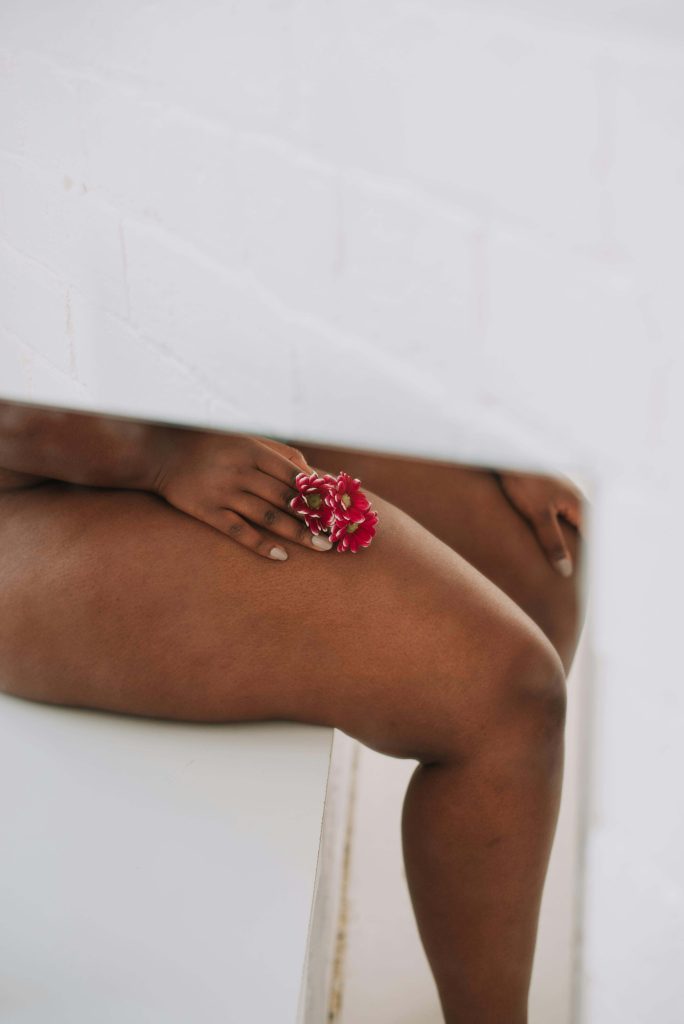
Varicose veins do not generally come with any kind of pain or symptoms but do fortunately come with various signs indicating what is bound to happen. If you re experiencing or observing signs such as a heavy feeling in the legs or muscle cramps along with the itching of one or more veins, there are very high chances that varicose veins Miami are forming underneath the surface of the skin. If you are beginning to see dark blue or purple veins in the leg area, chances are that they are varicose veins, especially if the veins appear tangled and twisted.
VARICOSE VEINS TREATMENT RECOVERY
Recovery after varicose vein treatment is typically quick and straightforward, especially with minimally invasive procedures like endovenous laser therapy (EVLT) or sclerotherapy. Following specific post-procedure care instructions is essential to ensure a smooth recovery and optimal results:
Compression Stockings: Wear compression stockings as directed by your specialist, usually for at least one to two weeks after the procedure. Compression garments help promote blood flow, reduce swelling, and minimize the risk of complications such as blood clots or deep vein thrombosis (DVT).
Walking and Light Activity: Gentle walking is encouraged immediately after the procedure to promote circulation and support healing. Aim to take short walks throughout the day, avoiding prolonged periods of sitting or standing.
Avoid Strenuous Activities: Refrain from heavy lifting, high-impact exercises, or intense physical activities for at least one to two weeks following treatment. This allows the treated veins to heal properly without excessive strain.
Elevate Your Legs: Elevating your legs while resting helps reduce swelling and discomfort. Try to elevate your legs above heart level several times a day for 15 to 20 minutes at a time.
Keep the Treated Areas Clean and Dry: If you have small incisions from procedures like EVLT or ambulatory phlebectomy, keep the treated areas clean and dry. Follow any specific wound care instructions provided by your specialist, and avoid soaking in baths, hot tubs, or swimming pools until your specialist gives you the all-clear.
Managing Common Side Effects
Mild side effects such as bruising, swelling, or redness at the treatment sites are normal and usually resolve within a few days to weeks. Here’s how to manage these symptoms:
Bruising:
Bruising is common after varicose vein treatments and may be more pronounced if larger veins were treated. Apply a cold compress for the first 24 hours to reduce bruising, and avoid taking blood-thinning medications or supplements unless prescribed.
Swelling and Tenderness:
Mild swelling and tenderness are normal and can be managed by wearing compression stockings and keeping your legs elevated. Over-the-counter pain relievers like acetaminophen can be taken to alleviate discomfort.
Skin Discoloration or Itching:
Some patients may notice temporary skin discoloration or itching around the treated veins. Applying a gentle, fragrance-free moisturizer can help soothe the skin. If itching or discoloration persists, consult your specialist.
Temporary Hardening of the Treated Vein:
It’s common for the treated vein to feel firm or hard as it heals. This is a sign that the vein is closing and will gradually be reabsorbed by the body. The firmness should resolve on its own over several weeks.
Long-Term Care and Follow-Up Appointments
Although varicose vein treatments are generally safe and effective, some patients may experience mild discomfort or side effects. Here’s how to manage them:
Follow-Up Appointments:
Schedule a follow-up appointment with your specialist within 1 to 2 weeks after your procedure. During this visit, your specialist will assess the treated areas, monitor healing, and address any concerns.
Ultrasound Monitoring:
For procedures like EVLT or radiofrequency ablation (RFA), an ultrasound may be performed during your follow-up visit to ensure that the treated vein has closed properly and that blood flow has been redirected to healthier veins.
Maintaining Results:
To maintain the results of your varicose vein treatment, consider making lifestyle changes that promote healthy circulation. This includes regular exercise, maintaining a healthy weight, and avoiding prolonged sitting or standing.
Monitoring for New Varicose Veins:
While treated veins are unlikely to reappear, new varicose veins can develop over time, especially if you have a family history of vein conditions. Regular check-ups with your specialist can help identify and treat new varicose veins early.
Tips for a Successful Recovery
Stay Active:
Regular, low-impact activities like walking or cycling promote healthy circulation and prevent blood from pooling in the legs.
Avoid Tight Clothing:
Avoid wearing tight clothing that restricts blood flow around the waist, groin, or legs, as this can increase the risk of developing new varicose veins.
Maintain a Healthy Weight:
Excess weight places additional pressure on your veins. Maintaining a healthy weight through a balanced diet and regular exercise can reduce the likelihood of new varicose veins forming.
Elevate Your Legs When Possible:
Elevating your legs whenever you are resting helps reduce swelling and discomfort.
Continue Wearing Compression Stockings:
Wearing compression stockings as recommended by your specialist can improve blood flow and support long-term vein health.
VARICOSE VEINS TREATMENT RIKS
To minimize varicose veins treatment risks, it’s crucial to choose a qualified and experienced healthcare provider. Proper consultation and following pre- and post-treatment care instructions are essential for a safe and effective outcome.
Bruising and Swelling
Mild bruising and swelling at the treatment site are common and usually resolve within a few days to weeks.
Skin Discoloration:
Temporary skin discoloration or pigmentation changes can occur, especially with sclerotherapy. These changes usually fade over time but may persist in some cases.
Blood Clots:
Although rare, there is a small risk of blood clots forming in the treated veins. Compression stockings and post-procedure movement can help reduce this risk.
Infection:
As with any procedure involving incisions or injections, there is a minor risk of infection. Following post-procedure care instructions and keeping the treated areas clean can minimize this risk.
Temporary Numbness or Tingling:
Some patients may experience temporary numbness or tingling around the treated area, especially after procedures like EVLT or RFA. This usually resolves on its own within a few weeks.



HOW MUCH DOES A VARICOSE VEINS TREATMENT COST IN MIAMI?
Varicose vein Miami treatments can vary greatly, especially between surgical and non surgical treatments and techniques. This means that the cost of each of these treatments can vary as well. Fortunately, your insurance company can cover the costs of these treatments only if it is diagnosed as a health condition. Xiluet Aesthetic Surgery provides you with competitive prices depending on the type of procedure you choose.
Complementary and Alternative Treatments
Combining Varicose Vein Treatments with Other Procedures
For comprehensive vein health and improved leg appearance, varicose vein treatments can be combined with other procedures that address similar concerns or enhance aesthetic outcomes. Some of the complementary treatments offered at Xiluet Aesthetic Surgery include:
Spider Vein Removal:
Spider veins are smaller, superficial blood vessels that appear as fine red or blue lines on the surface of the skin. Spider vein removal techniques such as sclerotherapy or laser therapy can be performed alongside varicose vein treatments to achieve a more uniform and clear skin appearance.
Skin Rejuvenation:
Skin rejuvenation treatments, such as chemical peels or laser resurfacing, can improve skin texture and tone, minimizing the appearance of any residual discoloration or pigmentation changes that may occur around treated varicose veins.
Laser Hair Removal:
If you’re considering laser hair removal on the legs, it’s ideal to complete this treatment before varicose vein procedures to avoid additional skin irritation. However, laser hair removal can be performed after the veins have fully healed.
Lifestyle Changes to Prevent Varicose Vein Recurrence
In addition to undergoing varicose vein treatments, making specific lifestyle changes can help prevent new varicose veins from forming and support overall vein health:
Regular Exercise:
Engage in regular low-impact exercises such as walking, swimming, or cycling to promote healthy blood flow and reduce the risk of blood pooling in the legs. Exercise strengthens the calf muscles, which play a key role in helping veins push blood back to the heart.
Maintain a Healthy Weight:
Excess body weight puts additional pressure on the veins in the legs, increasing the risk of varicose veins. Maintaining a healthy weight through a balanced diet and active lifestyle can reduce this pressure and support vein health.
Avoid Prolonged Sitting or Standing:
If your occupation requires long periods of sitting or standing, take regular breaks to move around and change positions. Stretching your legs, taking short walks, or flexing your ankles can help prevent blood from pooling in the veins.
Wear Compression Stockings:
Wearing compression stockings, especially during prolonged travel or periods of inactivity, can support circulation and reduce the risk of varicose vein recurrence.
Elevate Your Legs:
Elevating your legs above heart level for 15-20 minutes a few times a day can promote better circulation, reduce swelling, and prevent blood from pooling in the veins.
Alternative Treatments for Vascular Health
Compression Therapy:
Compression stockings are a non-invasive option for improving blood flow in the legs. They apply gentle pressure to the legs, helping the veins and muscles move blood more effectively back to the heart. Compression therapy is often recommended as a preventive measure or in conjunction with other varicose vein treatments.
Microsclerotherapy:
This variation of sclerotherapy is used to treat small spider veins and reticular veins. It involves injecting a sclerosant solution into the tiny veins, causing them to collapse and gradually disappear.
Endovenous Chemical Ablation:
Similar to sclerotherapy, endovenous chemical ablation uses a special foam or liquid solution to close off medium-sized varicose veins. It’s a minimally invasive alternative to surgical vein removal.
Exercise and Stretching:
Simple exercises like calf raises, ankle circles, and leg lifts can improve circulation in the legs and strengthen the muscles that support venous function. Incorporating these exercises into your daily routine can help maintain healthy veins and prevent new varicose veins from developing.
Dietary Supplements:
Certain supplements, such as those containing flavonoids, horse chestnut extract, or vitamin C, may support vascular health. Always consult your specialist before starting any new supplement regimen to ensure safety and effectiveness.
Choosing the Right Treatment Combination
Selecting the right combination of treatments and lifestyle changes depends on your specific concerns, goals, and overall health. During your consultation at Xiluet Aesthetic Surgery, your specialist will:
Assess Your Condition:
A comprehensive evaluation of your veins and overall vascular health will be conducted to determine the best treatment options.
Discuss Your Goals:
Whether you want to improve the appearance of your legs, alleviate symptoms, or prevent new varicose veins from forming, your specialist will guide you through the available options and set realistic expectations.
Create a Personalized Treatment Plan:
Based on your evaluation and goals, a customized treatment plan will be developed to effectively address your varicose veins and support long-term vascular health.

FAQ:
What is the recovery time for varicose vein treatment?
Recovery time varies depending on the specific treatment performed. Most patients can return to normal activities within a few days to a week, with full recovery taking several weeks as swelling and discomfort subside.
Are the results of varicose vein treatment permanent?
While varicose vein treatment provides long-lasting results, factors such as genetics, lifestyle, and aging can affect the outcome. Maintaining a healthy lifestyle can help prevent recurrence.
Is varicose vein treatment safe?
Yes, when performed by experienced and qualified specialists, varicose vein treatment is a safe procedure. Our team ensures the highest standards of safety and care.
Will there be visible scars after varicose vein treatment?
Scars from varicose vein treatment are minimal and typically well-hidden. Our specialists use advanced techniques to ensure minimal scarring.
What Causes Varicose Veins?
Varicose veins are caused by weakened or damaged valves within the veins that disrupt normal blood flow. In healthy veins, one-way valves help push blood back to the heart against gravity. When these valves become weak or malfunction, blood can flow backward and pool in the veins, causing them to enlarge and become varicose. Common risk factors include genetics, age, gender, pregnancy, prolonged standing or sitting, obesity, and previous vein injuries or conditions.
How Effective Are Varicose Vein Treatments?
Varicose vein treatments are highly effective in eliminating or reducing the appearance of varicose veins and alleviating associated symptoms. Minimally invasive procedures like endovenous laser therapy (EVLT), radiofrequency ablation (RFA), and sclerotherapy have high success rates and provide long-lasting results. Surgical options such as ambulatory phlebectomy and vein stripping are effective for more severe cases. Most patients experience significant improvement in appearance, reduction of symptoms, and enhanced overall leg health.
Will the Treated Veins Reappear?
Once a varicose vein is treated and closed off, it is unlikely to reappear. The body gradually reabsorbs the treated vein, and blood flow is redirected to healthier veins. However, it’s important to note that new varicose veins can develop over time, especially if underlying risk factors such as genetics, hormonal changes, or lifestyle habits are present. Regular follow-up appointments and lifestyle modifications can help prevent the formation of new varicose veins.
Are Varicose Vein Treatments Painful?
Most varicose vein treatments involve minimal discomfort. Minimally invasive procedures such as EVLT, RFA, and sclerotherapy are performed under local anesthesia, and patients typically experience only mild sensations of heat or stinging during the treatment. After the procedure, there may be mild soreness, swelling, or bruising, which usually resolves within a few days to weeks. Pain can be managed with over-the-counter pain relievers such as acetaminophen.
Why Choose Xiluet Aesthetic Surgery?
Xiluet Aesthetic Surgery stands out as a premier choice for Varicose Veins Treatment due to our commitment to excellence, patient safety, and personalized care. Here’s why patients trust us with their body contouring journey:

State-of-the-Art Facility:
Our facility is equipped with advanced medical technology and meets the highest standards of safety and hygiene. We utilize cutting-edge Varicose Veins Treatment techniques to provide our patients with the best possible outcomes.
Personalized Treatment Plans:
Every patient is unique, and so are their aesthetic goals. We take the time to understand your specific needs and develop a customized treatment plan tailored to your body type and desired results. Our approach ensures that you receive individualized care and a procedure that aligns with your expectations.
Comprehensive Care:
From the initial consultation to post-operative follow-ups, our team is dedicated to providing a seamless and supportive experience. We are here to answer your questions, guide you through the recovery process, and ensure that you feel confident and informed every step of the way.
Schedule Your Consultation
If you are considering Varicose Veins Treatment and would like to learn more about how Xiluet Aesthetic Surgery can help you achieve your body contouring goals, we invite you to schedule a consultation with our expert surgeons. During this personalized session, we will discuss your concerns, evaluate your candidacy, and provide you with a tailored treatment plan to help you look and feel your best.
Inspired by our work?
Please fill out the form, so we can learn more about you and your needs.